Panel
Fiqh of AI & Emerging Technologies
Saturday, September 2611:10 AM – 11:55 AMMedina
About this session
When an AI orders the wrong medication, denies the loan, or drives the car that hits someone, who answers? Not the machine. Islamic law does not let a tool carry blame, and it does not let legal immunity stand in for innocence either. Responsibility lands on a person: the builder who hid a defect, the seller who oversold it, the operator who used it outside what it was built for, or the one who acted on its output without checking. Who touched it last settles nothing.
Who this is for
Builders, scholars, and anyone with a case they have not been able to place. Bring it.
On the table
- When does a task belong in a machine's hands at all?
- Who is liable when it fails?
- How far does answering for what you build actually reach?
You'll leave with
- A way to weigh a use of AI before you commit to it
- A map of where blame goes when it goes wrong
- One warning with a study behind it: handing your thinking to a tool weakens the faculty you handed it from
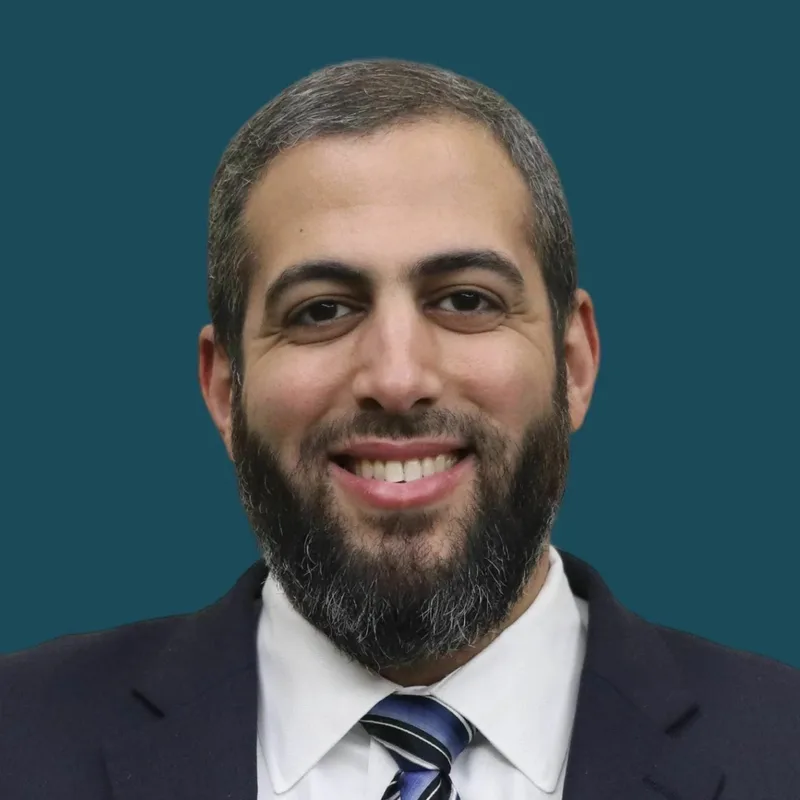
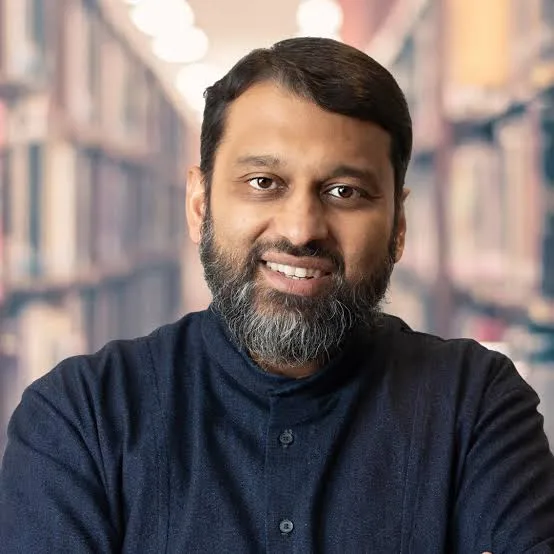
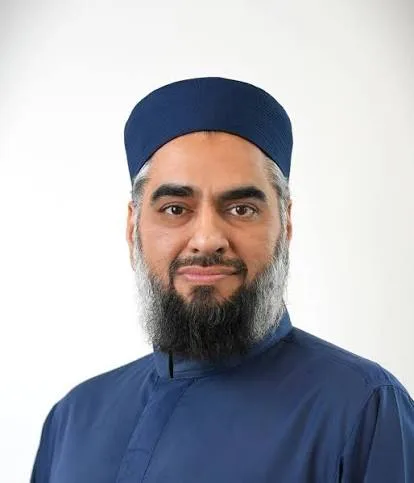
Speakers


September 26 at Civic Hall, New York. Sessions are added to the agenda as they are confirmed.